Behind every famous brand is a thoughtful choice of logo style. Exploring the types of logo design reveals why some are bold, some minimal, and others deeply symbolic. Simply for aesthetics is not enough here; they’re also a strategy in motion. Want to discover which one might define your brand? Let’s dive in.
Key Takeaways:
- Every logo style serves different branding goals, from clarity and simplicity to symbolism and storytelling.
- Wordmarks, lettermarks, and letterforms work best for memorability through typography and minimalism.
- Emblems, mascots, monograms, and combination marks provide heritage, character, or versatile hybrid branding solutions.
Breaking Down the Types of Logo Design
It’s common to wonder how many types of logos in graphic design deserve your attention. Some are bold and iconic, others subtle and symbolic, but each plays a vital role in brand identity. To get started, let’s walk through ten key logo design styles that stand out.
1. Wordmark Logos
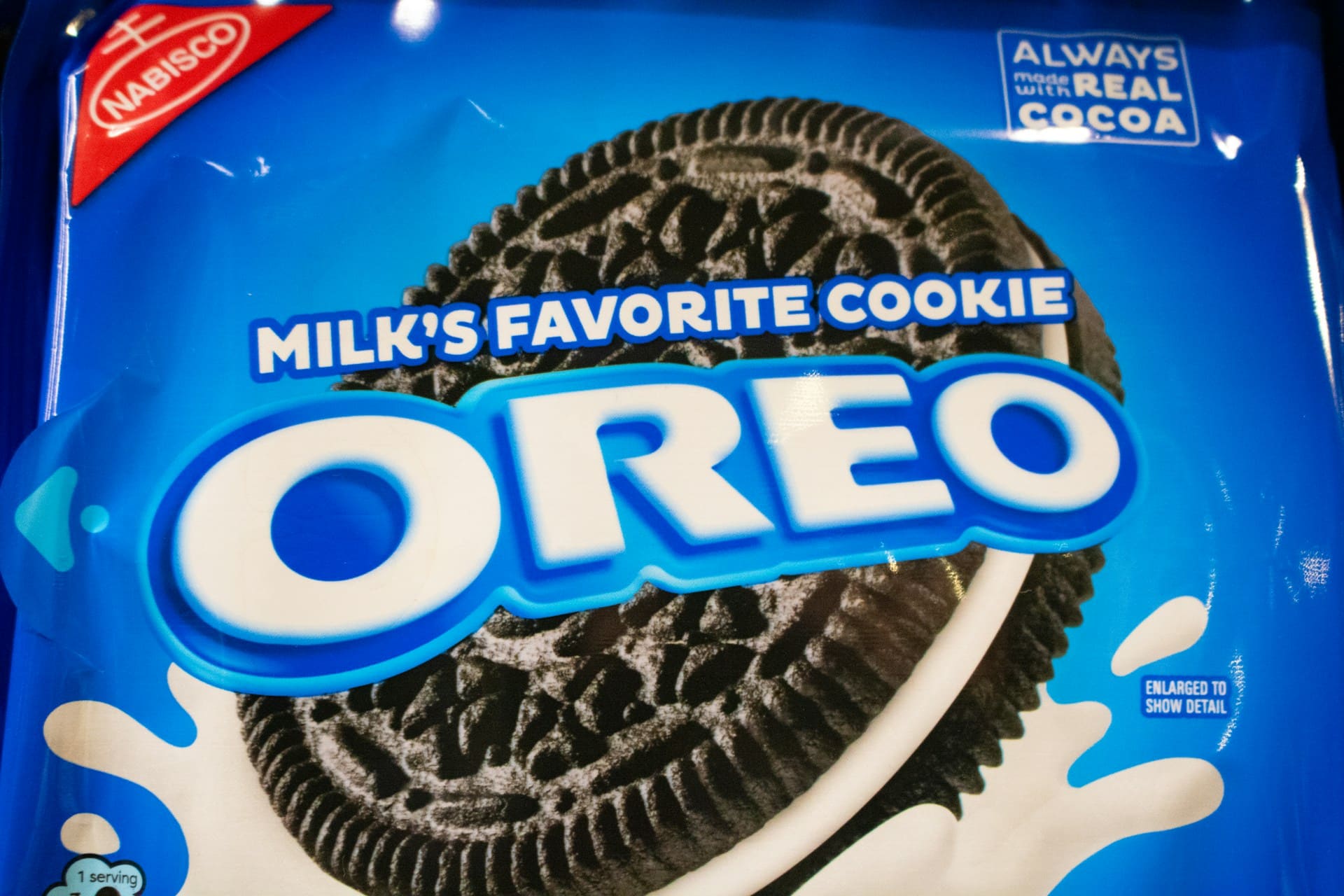 Oreo Logo (Source: Unsplash)
Wordmark logos are built entirely from a brand’s name, expressed through distinct typography. By focusing on font choice, spacing, and color, they communicate personality with clarity.
This style is most effective for short, memorable names, as it keeps branding clean and easy to recognize. While highly versatile across platforms, wordmarks can feel less practical for longer or more complex company names.
Also Read: 10 Logo Redesigns Strategy Without Losing Recognition
2. Lettermark Logos
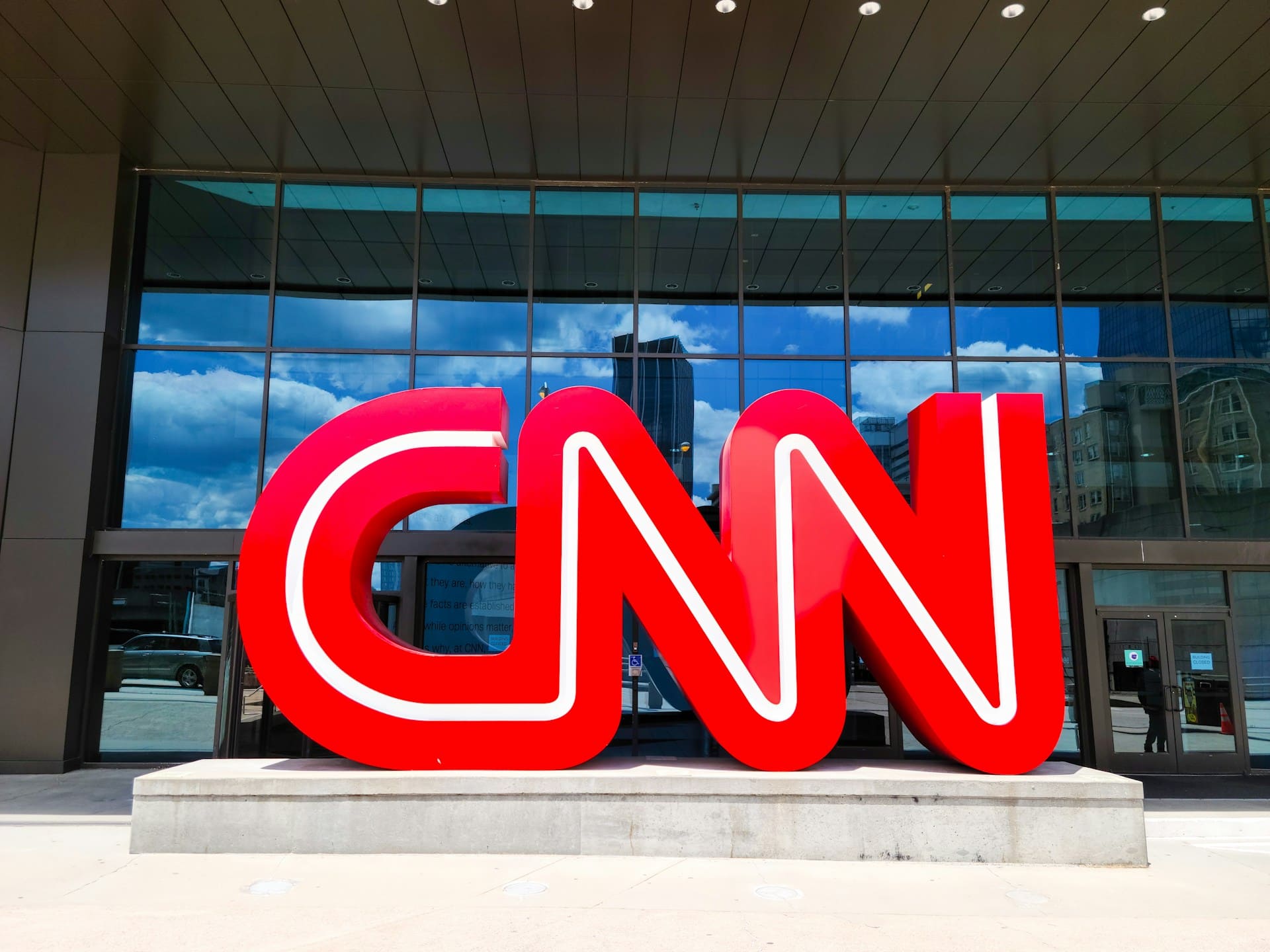 CNN Lettermark Logo (Source: Unsplash)
Lettermark logos simplify branding by using initials instead of full names, making them perfect for companies with long or complicated titles. These designs rely on typography, ensuring that the letterforms are clear, balanced, and recognizable at any size. Often chosen by tech firms and consultancies for a professional yet minimalist identity.
3. Pictorial Mark Logos
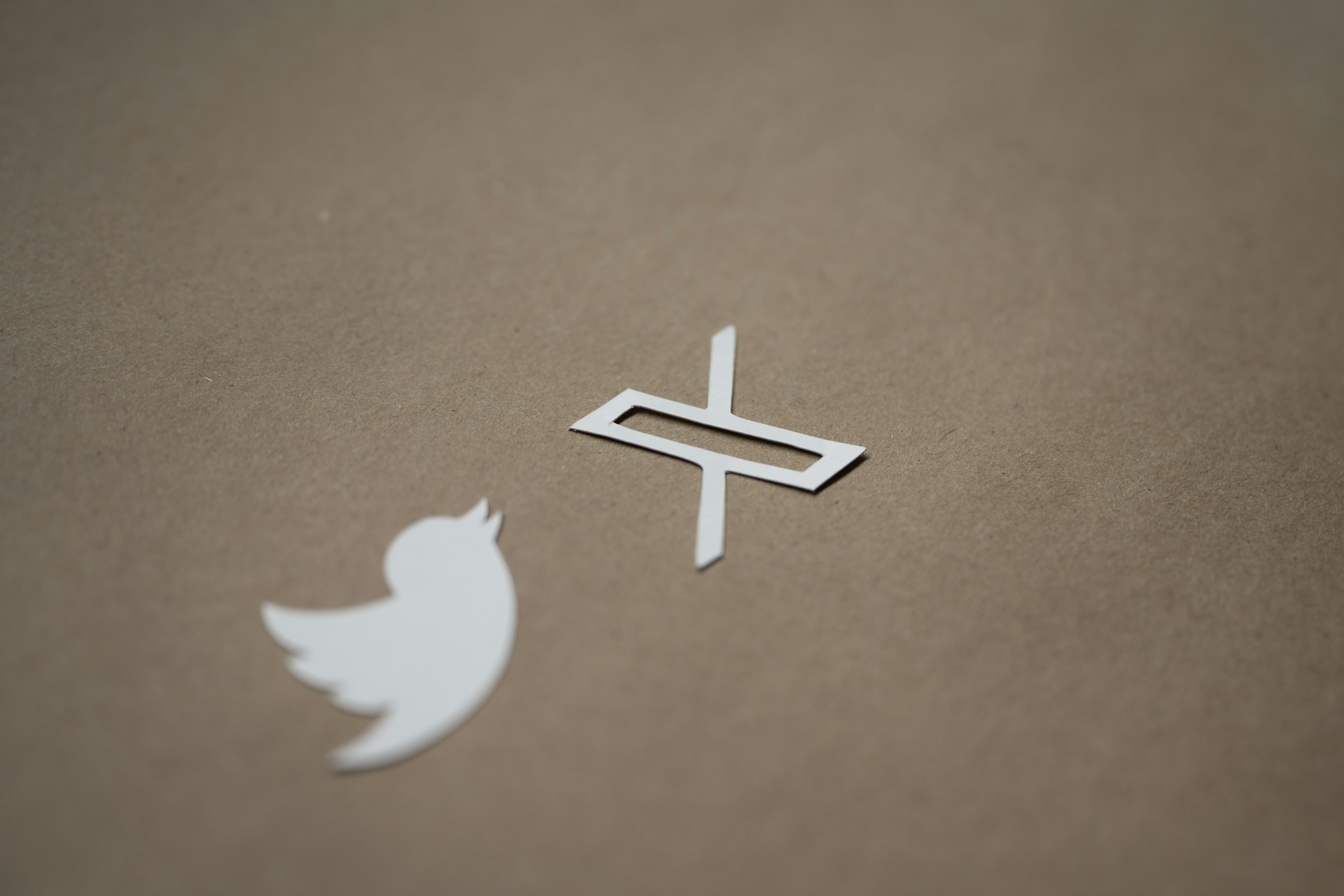 Twitter or X Logos (Source: Unsplash)
Pictorial marks express a brand through an icon or symbol alone, often without accompanying text. The design must be simple, versatile, and immediately recognizable so it would be easy to adapt across platforms. Many companies combine pictorial marks with wordmarks for greater brand recognition and flexibility in use.
4. Abstract Logo Marks
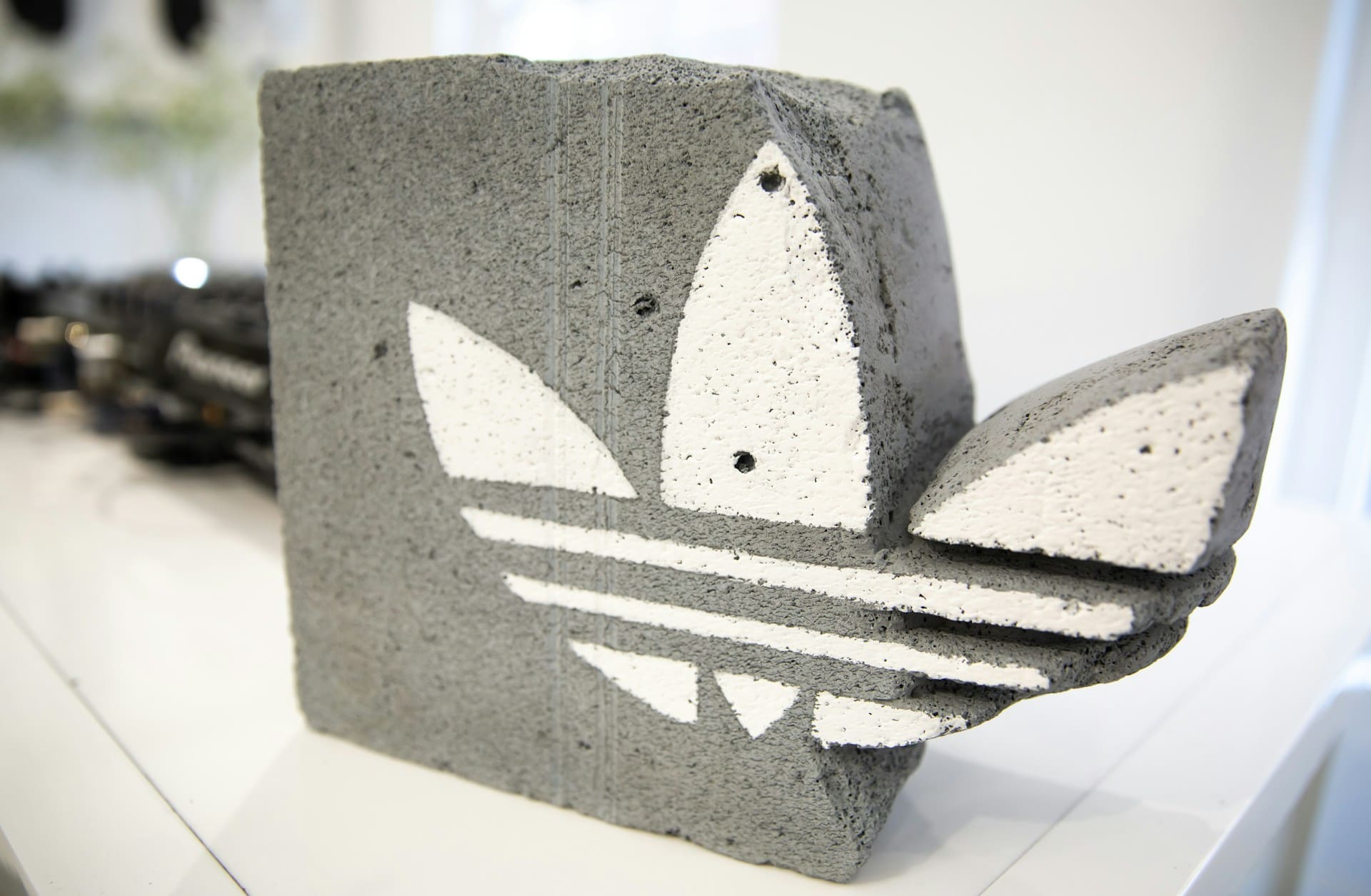 Adidas Abstract Logo (Source: Unsplash)
Abstract marks use shapes, forms, and colors to represent a brand in a non-literal way. Unlike pictorial logos, these designs rely on symbolism and interpretation, evoking emotions or concepts rather than specific imagery. Their strength lies in uniqueness, versatility, and minimalism, making them suitable for diverse industries.
5. Emblem Logos
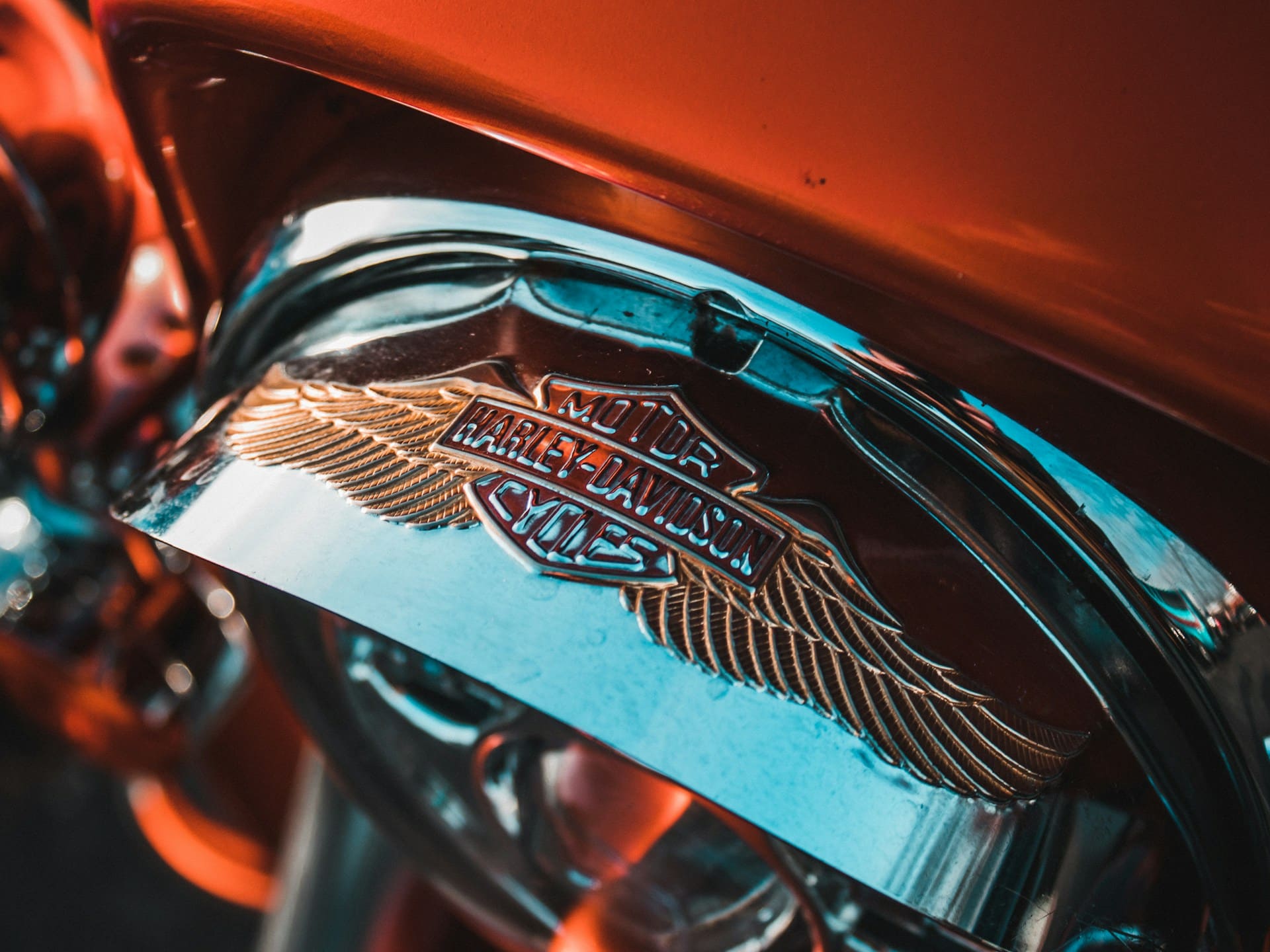 Harley Davidson Emblem (Source: Unsplash)
Emblem logos combine imagery and text inside a contained shape, such as a shield, badge, or circle. They often communicate tradition, prestige, or authority, which makes them popular among schools, government institutions, and automotive brands.
With their classic layouts and strong presence, emblems create cohesive identities. However, their intricate details can be less effective at small sizes, requiring thoughtful adaptation across different platforms.
Also Read: 6 Logo Variations Every Brand Needs for a Consistent Identity
6. Combination Mark Logos
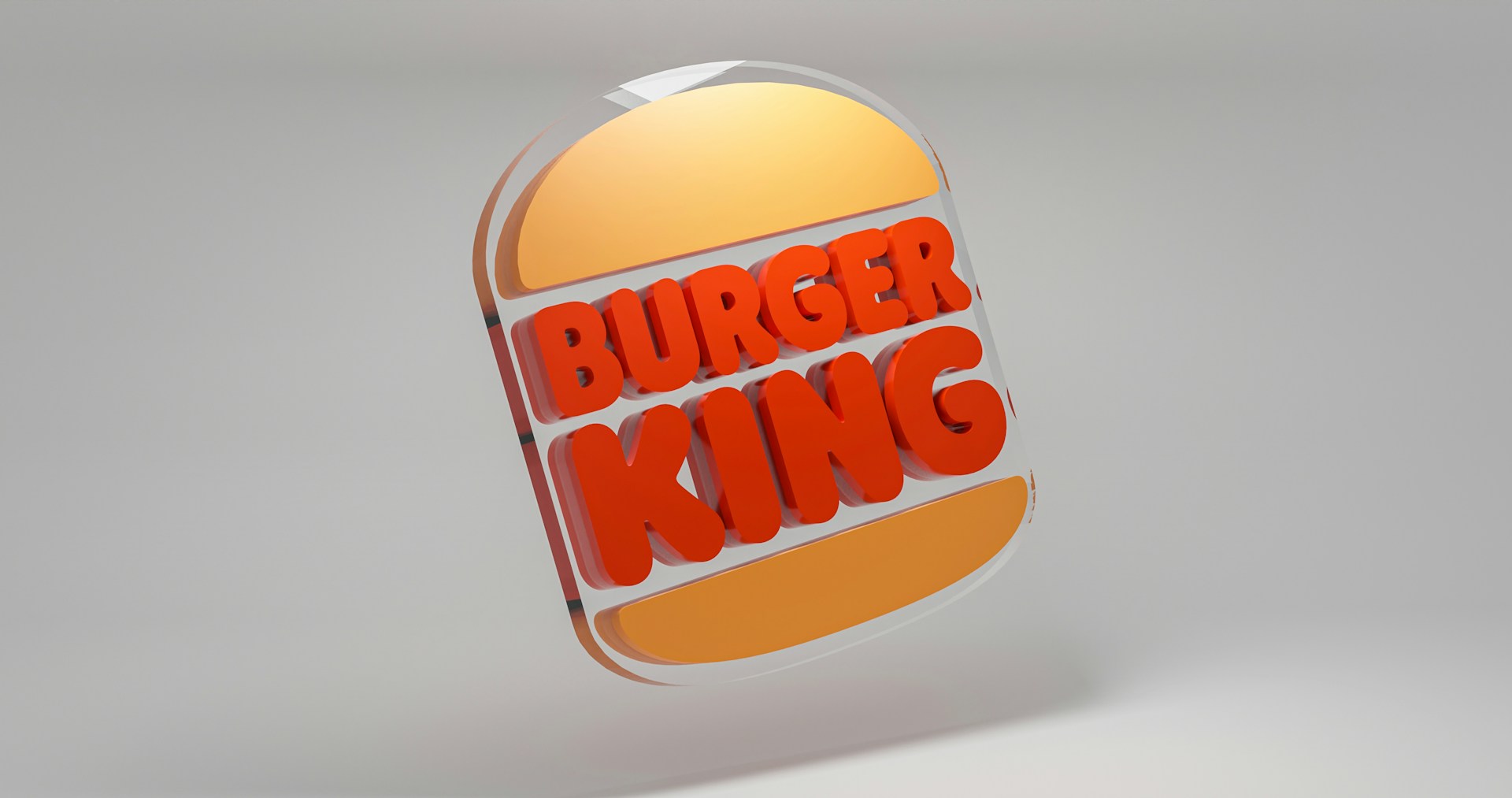 Burger King Logo (Source: Unsplash)
Combination marks blend a wordmark and a symbol, allowing flexible use of either component or both. This style strengthens brand identity by tying readable text to a recognizable icon. Among the types of logo designs, combination marks are considered the most versatile, adaptable to everything from digital apps to outdoor signage.
7. Mascot Logos
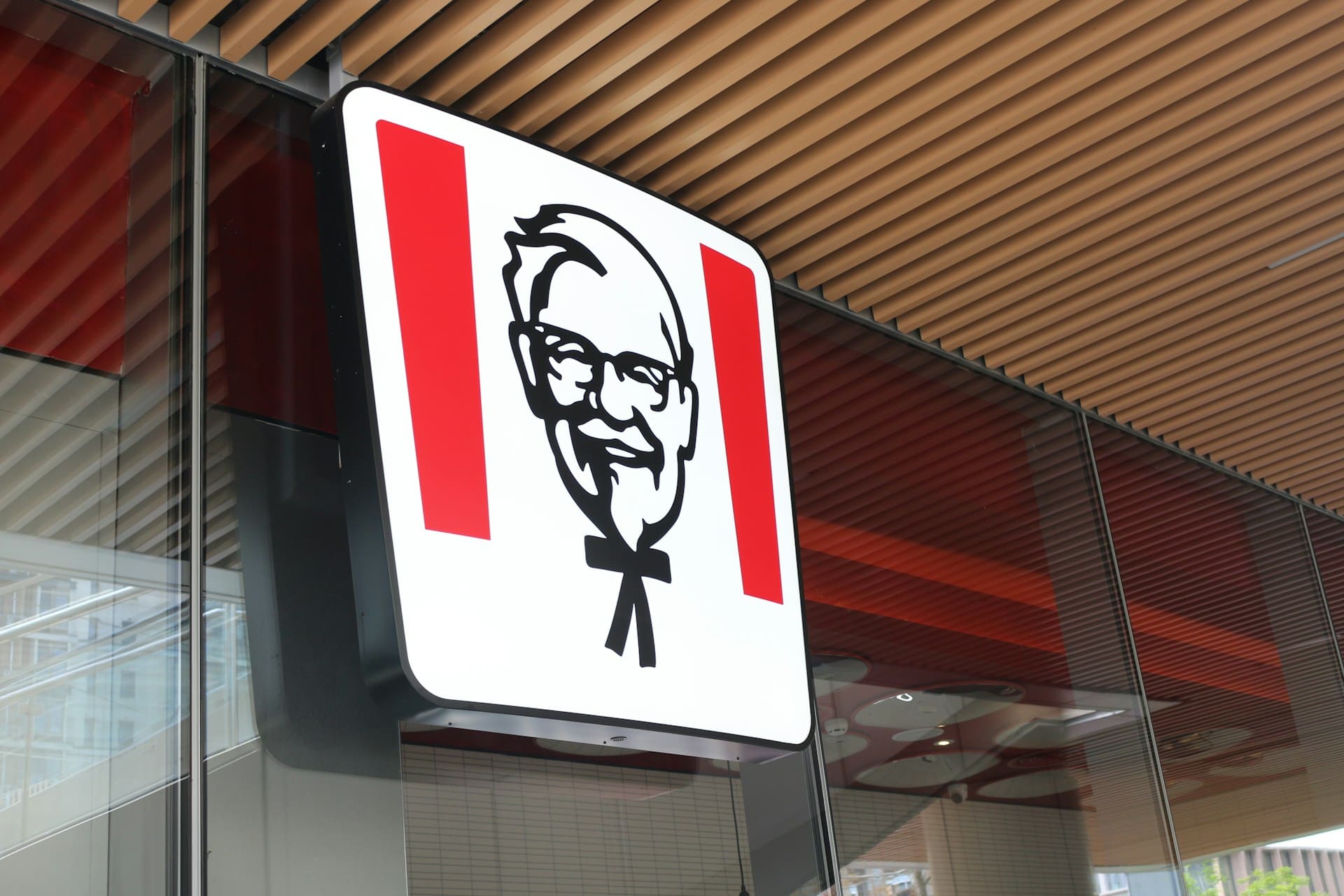 KFC Mascot (Source: Unsplash)
Mascot logos feature illustrated characters that personify a brand, creating a friendly and approachable identity. Often colorful and expressive, you commonly see it in sports teams, food brands, or companies targeting younger audiences.
Mascots help foster emotional bonds and memorable connections with consumers. However, their detailed designs may lose clarity at very small scales, requiring simplified versions for certain contexts.
8. Monogram Logos
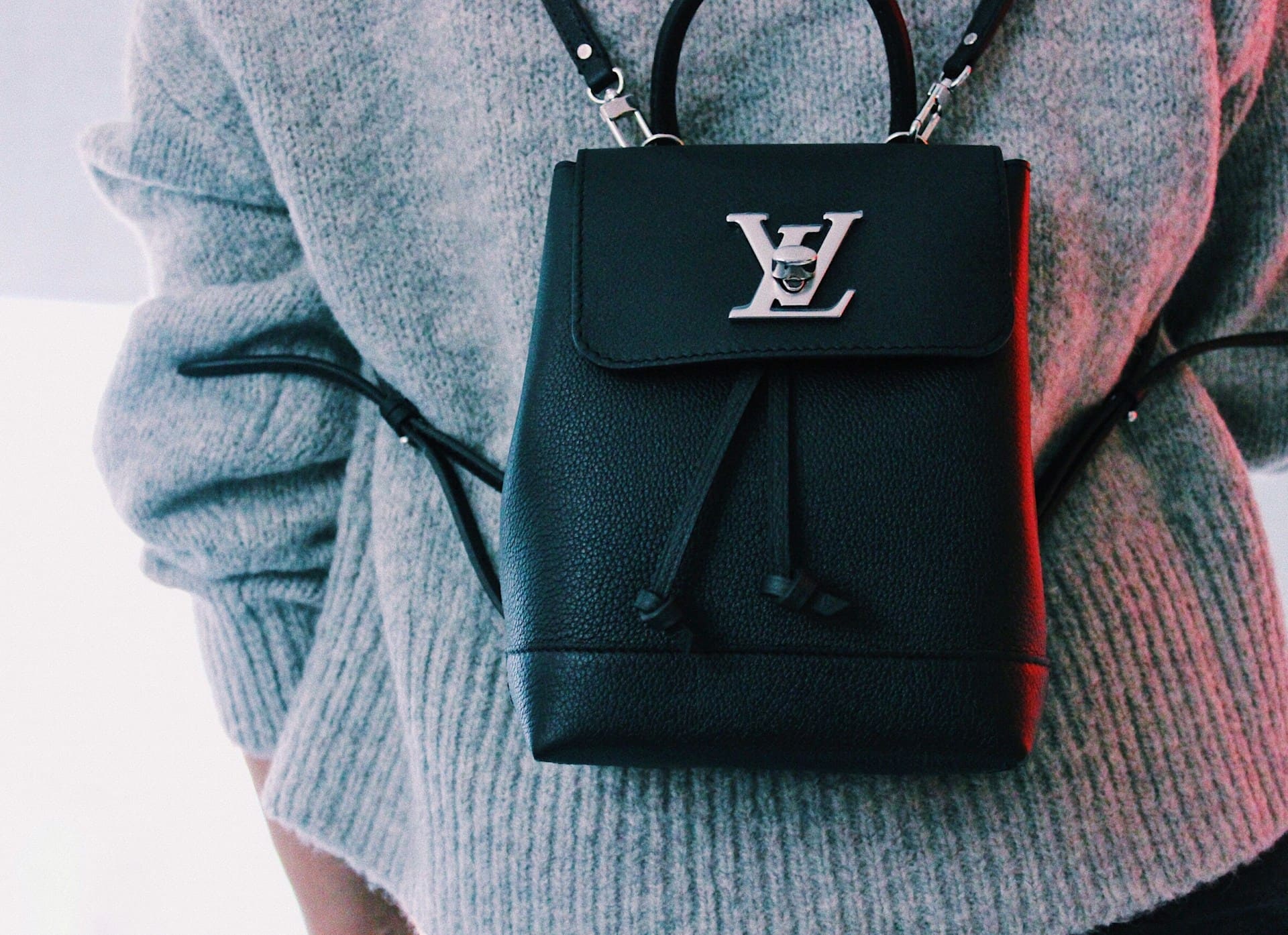 Louis Vuitton Monogram (Source: Unsplash)
Monogram logos arrange a brand’s initials into interlocking or stylized letterforms, resulting in a compact and elegant design. Known for their sophistication, they are often used by luxury brands, fashion houses, and institutions seeking old-money appeal.
Unlike other types of logo design styles, the monogram stands out for its balance of proportion and custom typography, producing a mark that is both distinctive and refined. This style works especially well in formal brand settings.
Also Read: 6 Design Tips for Creating Unique Logo Typography
9. Dynamic Logos
 Dynamics in Google Doodle (Source: Unsplash)
Dynamic logos adapt in appearance depending on the context, while maintaining consistent core elements. They may shift in color, form, or animation, making them highly engaging and versatile across platforms.
This style embraces creativity and adaptability, keeping brands visually fresh without losing identity. Dynamic logos are particularly effective in digital spaces where interactivity and variation enhance user experience and brand recognition.
10. Letterform Logos
 McDonald’s M Letter (Source: Unsplash)
Letterform logos highlight a single letter or character drawn from the brand’s name. The effectiveness of this style lies in crafting a simple yet strong character that represents the brand’s essence. Among the types of logo design, letterforms are minimal yet powerful, delivering impact with just one letter.
Also Read: 10 Logo Design Mistakes You Should Never Make
So, Which Types of Logo Design Speak to You?
Not all logos serve the same purpose, so the key is choosing one that resonates with your brand’s tone and audience. Think of it as a creative compass: when the style aligns, your logo naturally becomes more memorable, helping your brand stand apart in a crowded marketplace.
Here at Creatype Studio, we believe every logo deserves perfect typography. From our diverse font library, we can match the right typeface to your brand’s logo style. Use our selection of outstanding typefaces to refine your wordmark, monogram, or combo-styled logo type. With our letterforms, you can form a resonating brand identity that lasts.